
Anúncios
Introduction to Vertical Farming and Its Importance
As urban populations soar and arable land becomes scarce, vertical farming emerges as a beacon of hope. This innovative method allows crops to be grown in vertically stacked layers, often incorporated into urban settings, offering a sustainable solution to increasing food demands.
Technological Advancements Aiding Vertical Farming
Advanced LED lighting and hydroponic systems are revolutionizing how we grow food. Automated monitoring and IoT devices ensure optimal growth conditions, maximizing yield while minimizing resource use. According to a recent study, these technologies can reduce water usage by up to 95% compared to traditional farming.
The Impact of Vertical Farming on Urban Sustainability
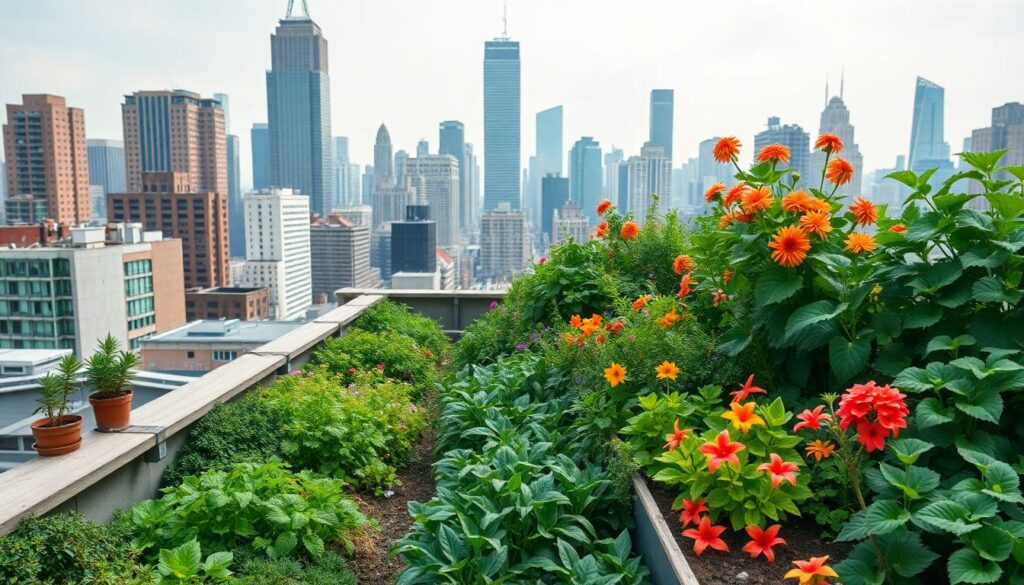
Vertical farms drastically reduce the need for transportation of produce, which lowers carbon emissions. Additionally, they contribute to urban greening, improving air quality and reducing the urban heat island effect. “Vertical farming is not just a method of growing food, it’s a catalyst for urban revitalization,” says Dr. Ana Martinez, an urban agriculture expert.
Challenges and Limitations of Implementing Vertical Farming
While promising, vertical farming faces several hurdles, including high initial setup costs and significant energy consumption. Critics also argue that the technology may overshadow rural farming initiatives, leading to imbalances. Stakeholders from both urban and rural sectors need to collaborate to create a balanced approach.
Future Trends and Potential of Vertical Farming
The future of vertical farming looks bright with the integration of AI and machine learning to further enhance efficiency. As urban areas continue to grow, vertical farming is poised to become a staple of sustainable agriculture, potentially paving the way for food-secure cities.
Anúncios
In conclusion, the untapped potential of vertical farming is immense. As technology advances and urban populations expand, integrating these systems could well transform our cities into self-sustaining ecosystems, balancing the needs of both urban and rural regions.


 English
  Italian
  French
  Portuguese
  Spanish
  Romanian
  Bulgarian